
Is Water Restoration Covered by Insurance? Here's What Every Homeowner Should Know
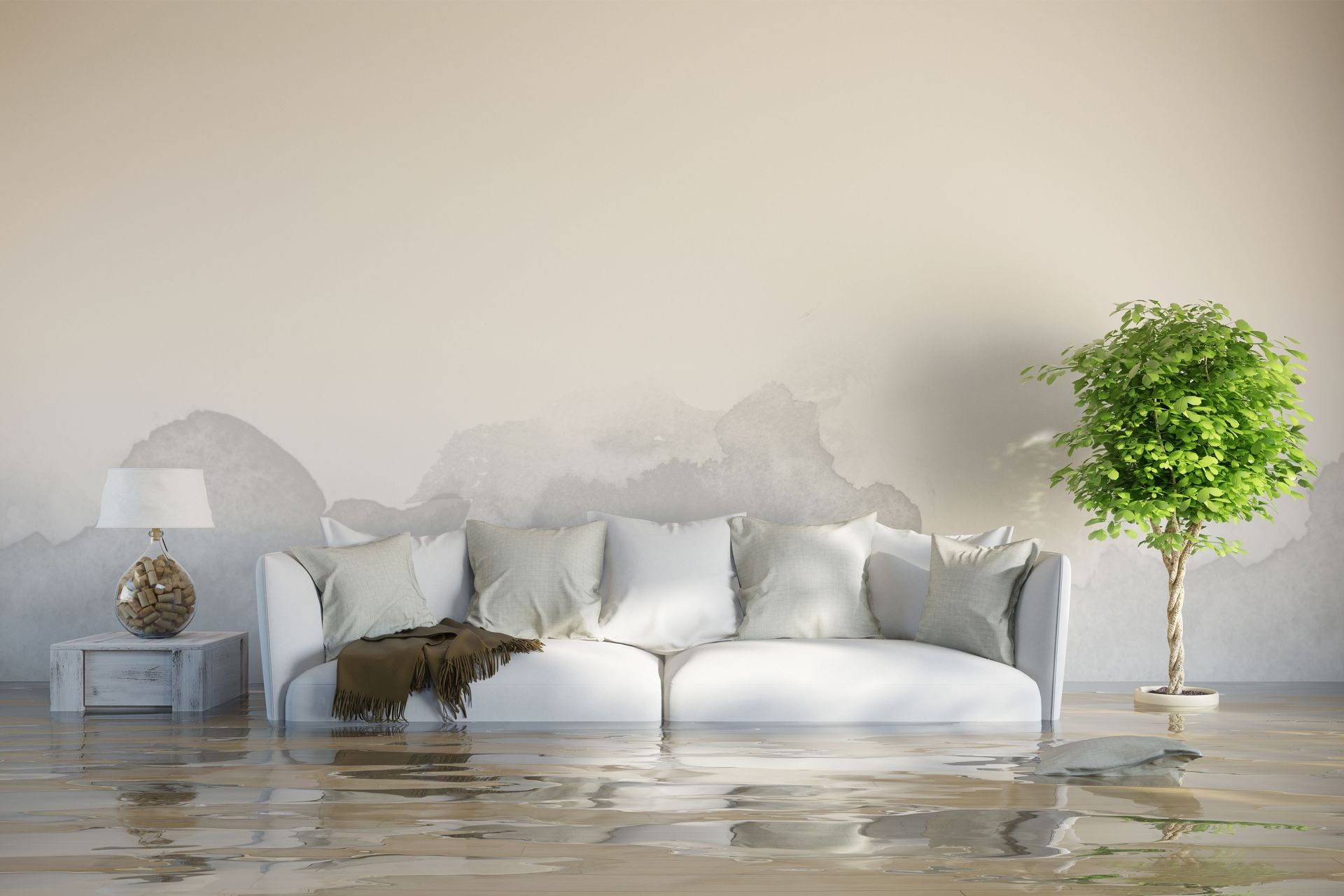
Water damage can happen unexpectedly, leaving homeowners with more than just a mess to clean up. A burst pipe, leaking appliance, severe storm, or overflowing fixture can introduce moisture into walls, floors, ceilings, and other parts of a home. Even when the visible water is removed, hidden moisture can continue affecting building materials and indoor conditions. Taking the right steps after discovering water damage can help prevent additional problems and make the recovery process more manageable.
Professional restoration services play an important role in returning affected homes to their previous condition. From identifying the source of moisture to drying structural materials and repairing damaged areas, a thorough restoration process addresses both immediate concerns and potential long-term issues. Understanding what happens during water restoration can help homeowners recognize when professional assistance is necessary and why a timely response matters.
Understanding the Common Causes of Water Damage
Water damage can originate from several sources, and not all incidents are immediately obvious. Plumbing problems are among the most common causes, including burst pipes, loose connections, deteriorating supply lines, and leaking fixtures. A small leak beneath a sink or behind a washing machine may go unnoticed until moisture begins affecting nearby cabinets, flooring, or drywall.
Weather-related incidents can also introduce significant amounts of water into a home. Heavy rainfall, flooding, and severe storms may overwhelm drainage systems or allow water to enter through damaged roofing, windows, and foundations. In colder conditions, freezing temperatures can cause pipes to expand and eventually rupture, potentially releasing water into walls and living spaces.
Household appliances are another possible source of damage. Dishwashers, refrigerators, water heaters, and washing machines all rely on plumbing connections that can eventually wear out or fail. Regular inspections and maintenance can help homeowners identify potential problems before they become larger emergencies.
Regardless of the source, identifying where the water originated is an important part of the recovery process. Removing visible moisture without addressing the underlying problem can allow additional water to enter the property. Professional water restoration services help homeowners address the damage while determining which areas require additional attention.
Recognizing the Signs of Hidden Moisture
Not every water damage incident involves standing water or an obvious plumbing failure. In some situations, moisture can accumulate behind walls, underneath flooring, or above ceilings without being immediately visible. Recognizing the warning signs can help homeowners take action before the affected materials deteriorate further.
Discoloration is one common indication of moisture exposure. Brown or yellow stains on ceilings and walls may suggest a roof leak, plumbing problem, or previous water intrusion. Paint that begins bubbling, peeling, or separating from a surface can also indicate that moisture has collected underneath it.
Unusual odors may provide another clue. Persistent musty smells can develop in areas where moisture remains trapped, particularly in basements, closets, crawl spaces, and other areas with limited airflow. Homeowners may also notice changes in flooring, such as warped hardwood, loose tiles, or soft spots beneath carpeting.
Other warning signs include damp baseboards, unexplained increases in indoor humidity, and visible deterioration around windows or doors. While these symptoms do not always confirm a water damage problem, they are worth investigating.
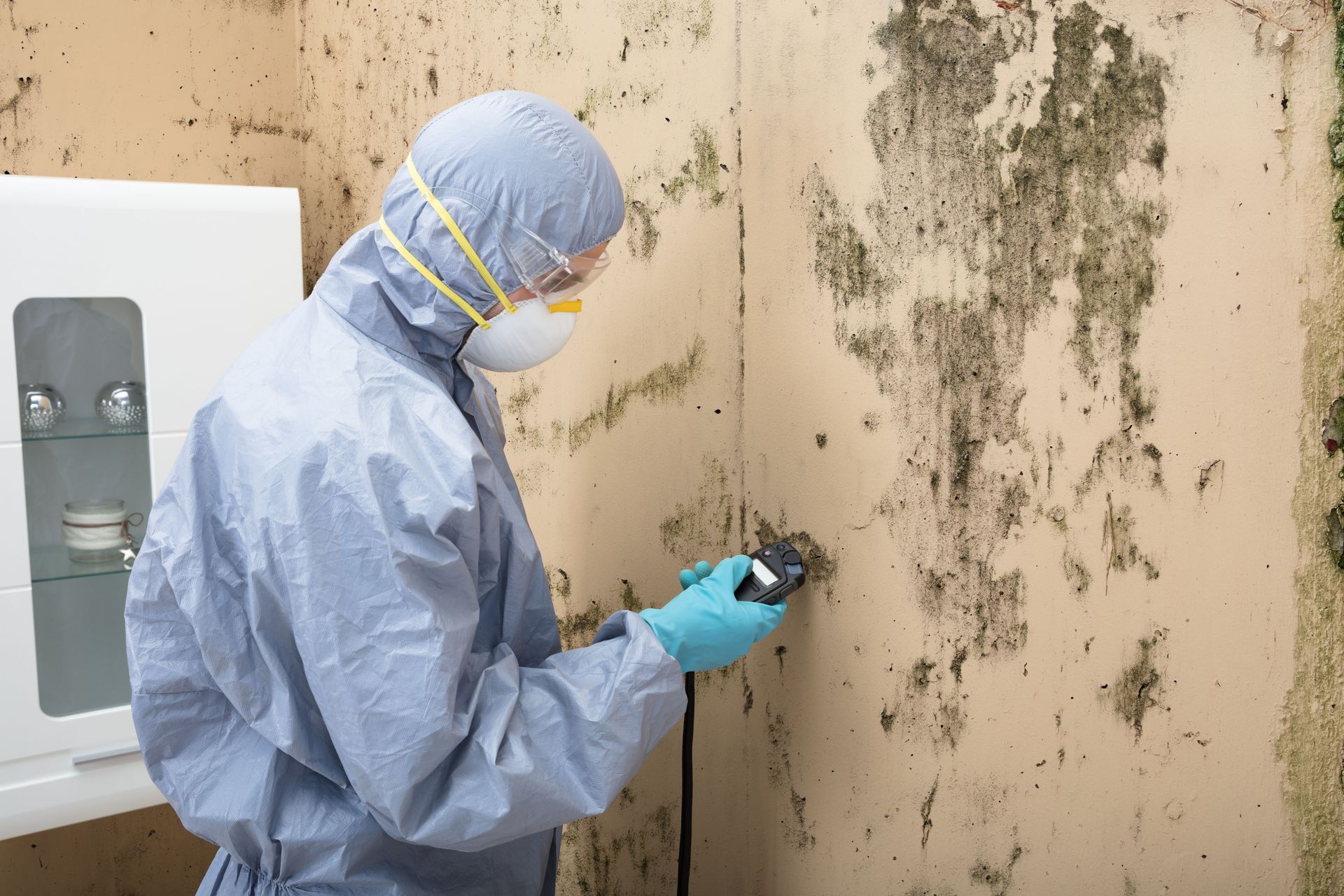
Professional inspections can help locate moisture that is difficult to identify through visual observation alone. Restoration technicians may use moisture meters and other specialized equipment to determine how far water has traveled. This information helps establish which materials can be dried and which may require removal or replacement.
Responding Quickly After Water Damage Occurs
The amount of time that passes after water enters a home can influence the overall restoration process. Moisture can spread through porous materials, including drywall, insulation, carpeting, and wood. The longer these materials remain wet, the greater the possibility of deterioration and additional complications.
Homeowners should prioritize safety before attempting to clean up an affected area. If water is near electrical outlets, appliances, or wiring, avoid entering the space until it has been determined safe. If the source is a plumbing failure and the water supply can be shut off safely, stopping the flow can help prevent additional damage. Homeowners should also avoid contact with potentially contaminated floodwater.
Once immediate safety concerns have been addressed, documenting the damage can be helpful. Photographs and videos of affected rooms, belongings, and building materials may provide useful information when communicating with an insurance company. Keeping records of the incident and any emergency repairs can also make the claims process easier to navigate.
Professional assistance and water restoration are especially valuable when water has affected multiple rooms, entered structural materials, or originated from an unknown source. A water restoration team can assess the affected areas, determine the appropriate cleanup methods, and begin removing moisture.
Acting promptly does not necessarily mean rushing into repairs before the property has been properly evaluated. Instead, it means addressing the source, limiting additional exposure, and beginning the appropriate restoration steps as soon as conditions allow.
Exploring the Professional Restoration Process
Restoring a home after water damage involves more than removing puddles and wiping down surfaces. A professional process typically includes several stages designed to address the extent of the damage and prepare the property for repairs.
The first stage generally involves an inspection and damage assessment. Technicians evaluate affected rooms, identify the likely source of water, and determine which materials have absorbed moisture. This assessment helps establish the scope of work and identify areas that may require specialized cleaning or removal.
The next step involves water extraction. Depending on the amount of water present, technicians may use pumps, wet vacuums, and other equipment to remove standing water from floors and affected spaces. Removing excess water helps prepare the property for the drying process.
After extraction, professional drying equipment helps remove moisture from the surrounding materials. Industrial air movers circulate air throughout affected rooms, while commercial dehumidifiers help reduce humidity. Technicians may monitor moisture levels during this stage to determine whether materials are drying as expected.
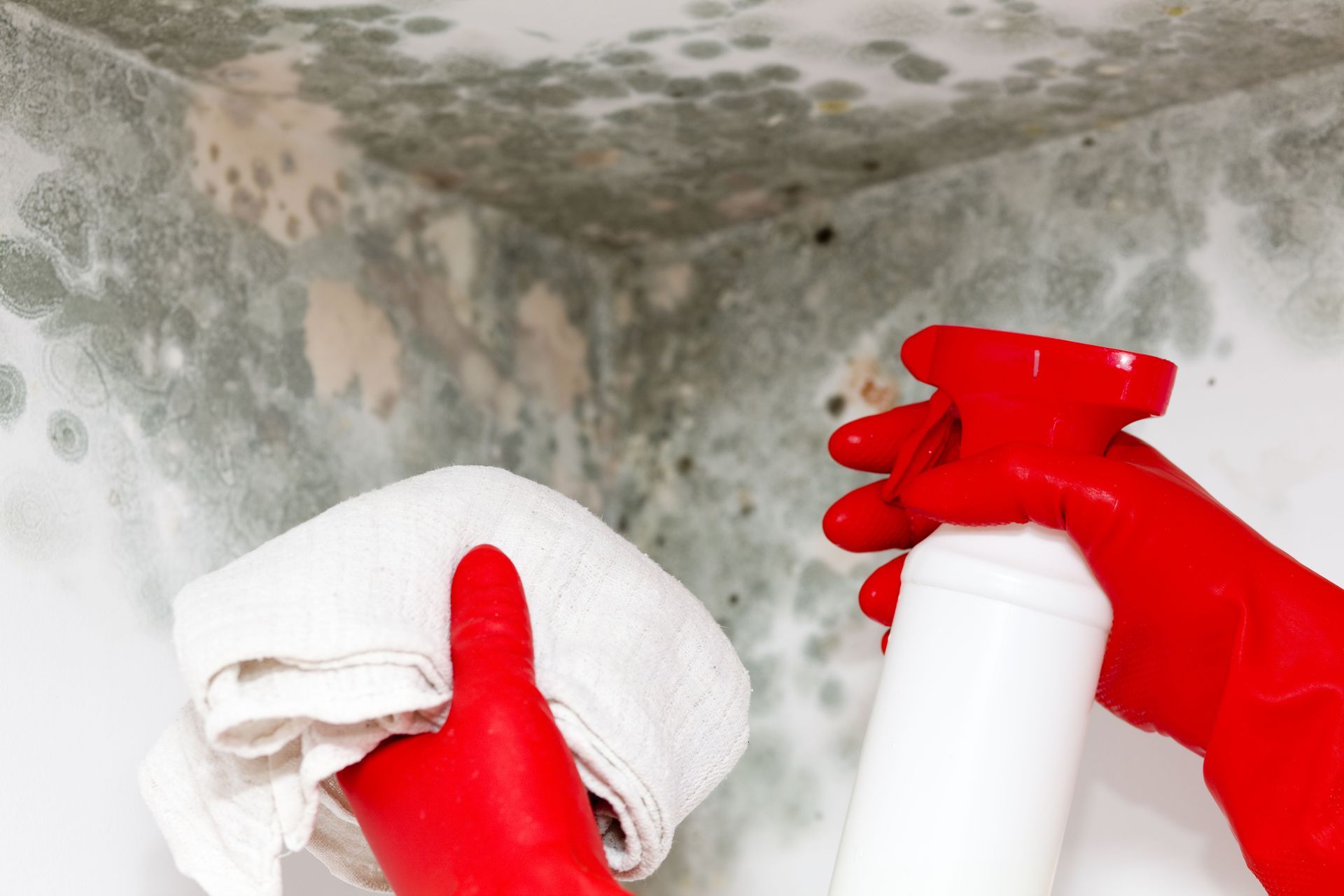
Cleaning and sanitizing may also be necessary, depending on the water source and the materials affected. Water from certain sources can contain contaminants that require appropriate handling and cleaning procedures. Damaged materials that cannot be safely restored may need to be removed.
Understanding the Financial Impact of Water Damage
Water damage can create unexpected financial pressure for homeowners, particularly when an incident affects multiple rooms or requires extensive repairs. Beyond the immediate cleanup, expenses may include replacing flooring, repairing drywall, restoring personal belongings, and addressing damage to structural materials.
According to Insurify, water damage and freezing made up about 28% of all homeowners insurance losses in 2022, representing more insurance losses than fire and theft combined. The report also found that 1 in 67 insured homes files a water damage claim each year. These figures demonstrate how frequently homeowners encounter water-related property damage and why preparation is important.
Insurance coverage varies depending on the policy, the source of the water, and the circumstances surrounding the incident. For example, sudden and accidental plumbing failures may be covered under certain homeowners policies, while damage caused by flooding may require separate flood insurance. Gradual leaks and neglected maintenance can also be treated differently from unexpected incidents.
Homeowners should review their policies to understand applicable coverage, exclusions, deductibles, and documentation requirements. Contacting an insurance provider promptly after discovering significant damage can help clarify the next steps.
Professional restoration companies may also help document affected areas and provide information about the work needed to restore the property. While insurance decisions are ultimately made by the provider, having a detailed assessment can help homeowners better understand the extent of the damage and the repairs involved.
Professional water restoration services provide the equipment, assessment, and experience needed to address damage throughout a home. From initial water extraction to drying, cleaning, and reconstruction, each stage contributes to a more thorough recovery process. Homeowners can also reduce future risks through routine plumbing inspections, roof maintenance, and proper drainage.
When water damage occurs, taking the right steps early can help limit additional problems and support a smoother restoration. With a thorough approach, homeowners can work toward returning their living spaces to a safe, comfortable, and functional condition. For more information about
water restoration, contact Local Home Restoration today.
Share On: