
Why Water Remediation in the First 24 Hours Makes All the Difference
The urgency of water damage services can't be overstated when dealing with water damage. The first 24 hours following a water damage incident are the most critical in mitigating the extent of damage and reducing potential costs. Immediate action can prevent long-term consequences that may affect both health and structural integrity. By understanding the importance of fast response, you can implement effective strategies that will make all the difference. Let's take a moment to explore why timeliness is crucial and how it can impact the outcome of water remediation efforts.
Consequences of Delayed Water Remediation
Mold Growth and Health Risks
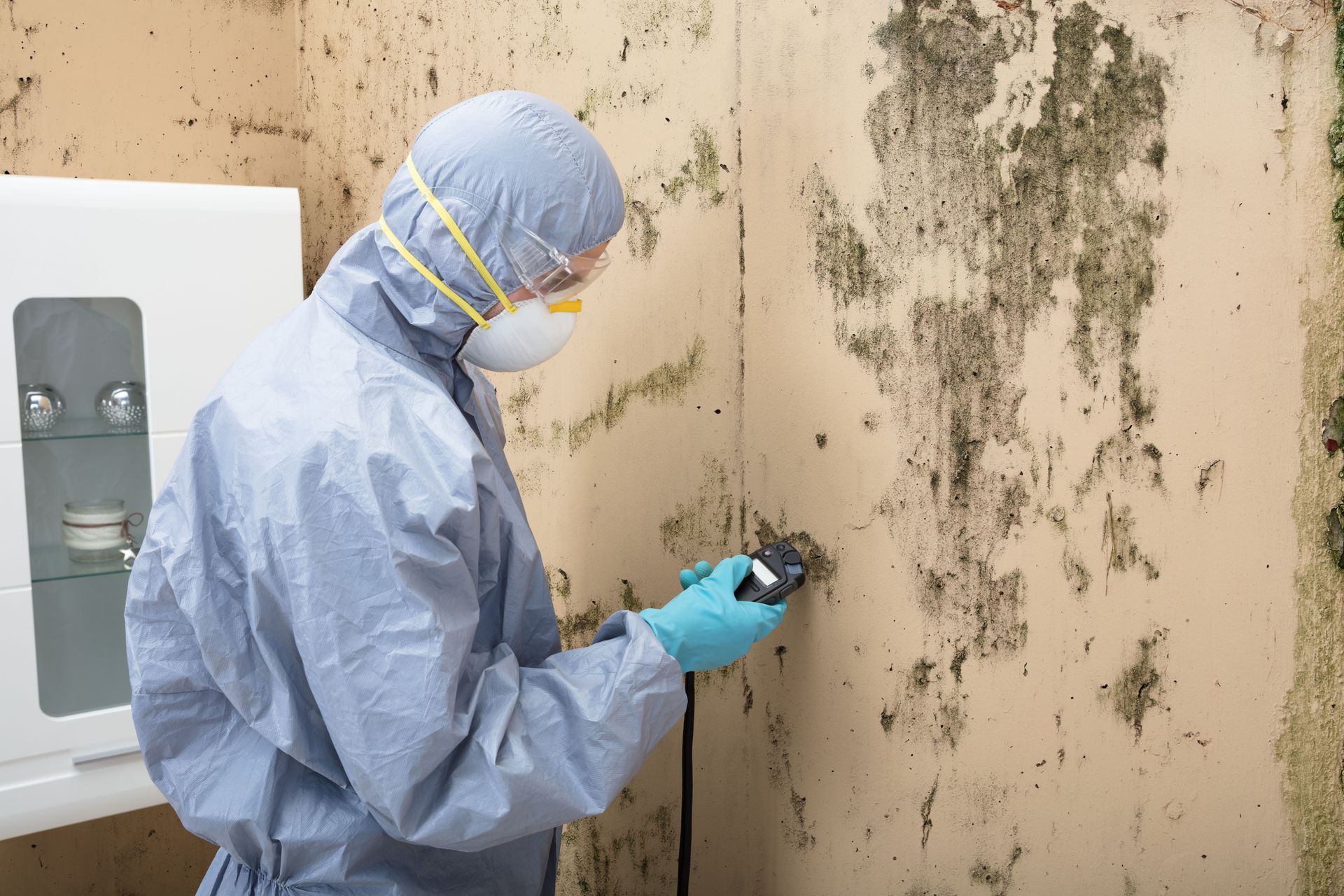
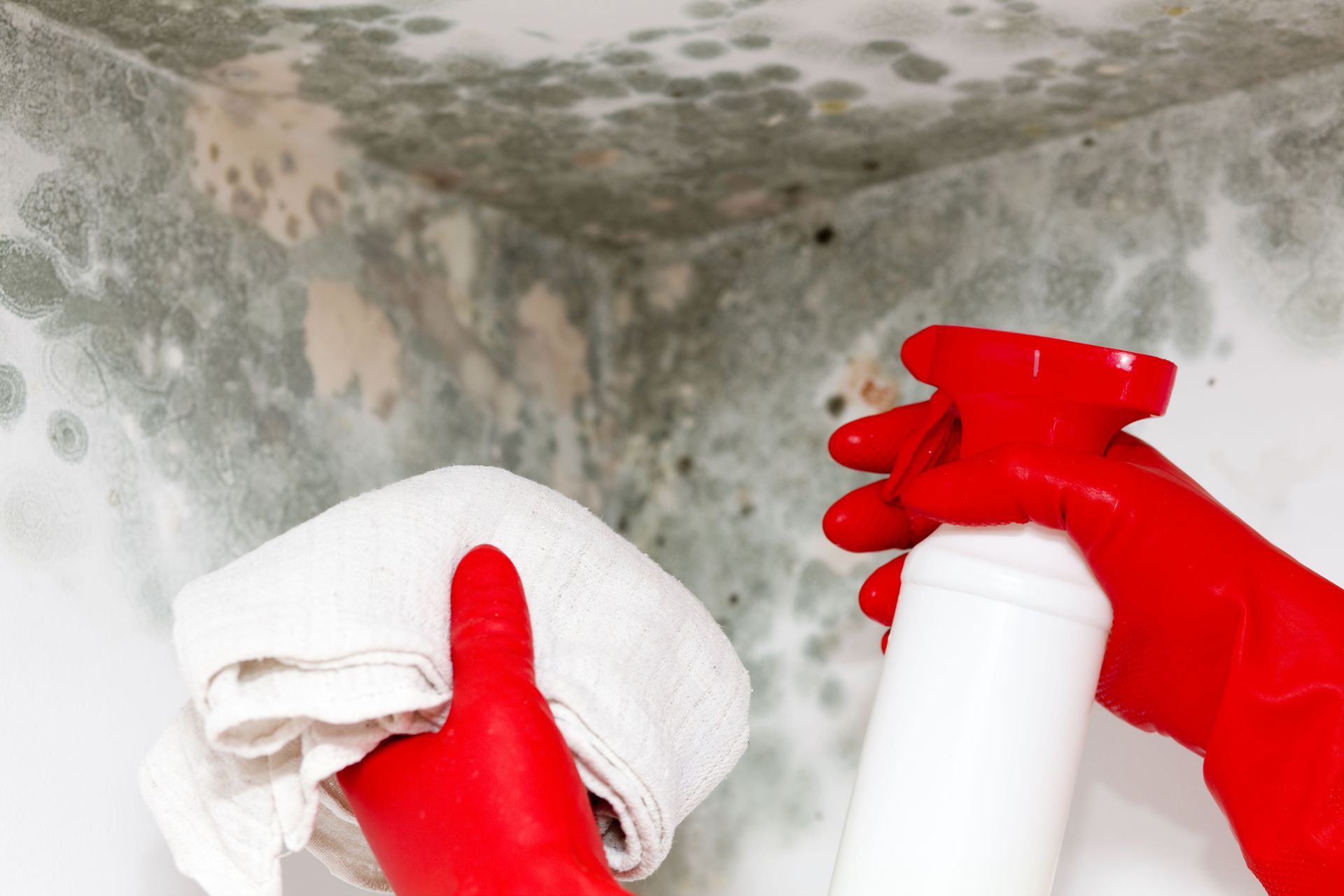
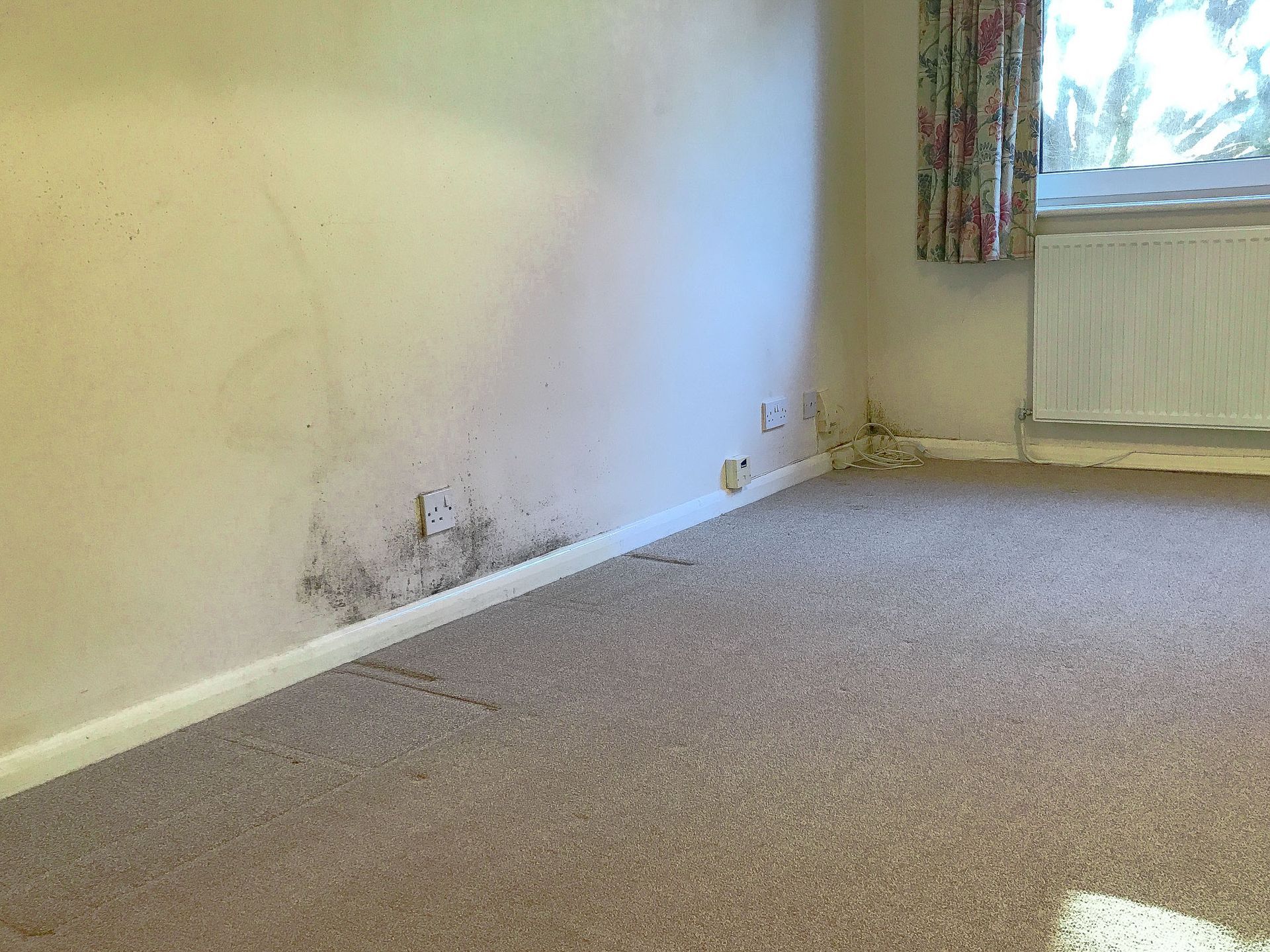
Delayed water remediation can facilitate the rapid growth of mold, which poses significant health risks. Mold thrives in damp conditions and can begin colonizing within just 24 to 48 hours of exposure, according to ConsumerAffairs. Mold infestations not only compromise air quality but can also lead to respiratory issues and allergic reactions. People with pre-existing health conditions such as asthma are particularly vulnerable. Timely water damage services can effectively prevent mold proliferation, safeguarding health and wellness.
Because mold requires continuous dampness to thrive, allowing water to sit creates an ideal environment for rapid colonization. The resulting drop in indoor air quality directly threatens occupant well-being, turning an initial water spill into an airborne health hazard. Immediate action disrupts this colonization window, stopping airborne allergens and respiratory irritants from establishing themselves in the property.
Structural Damage to Buildings
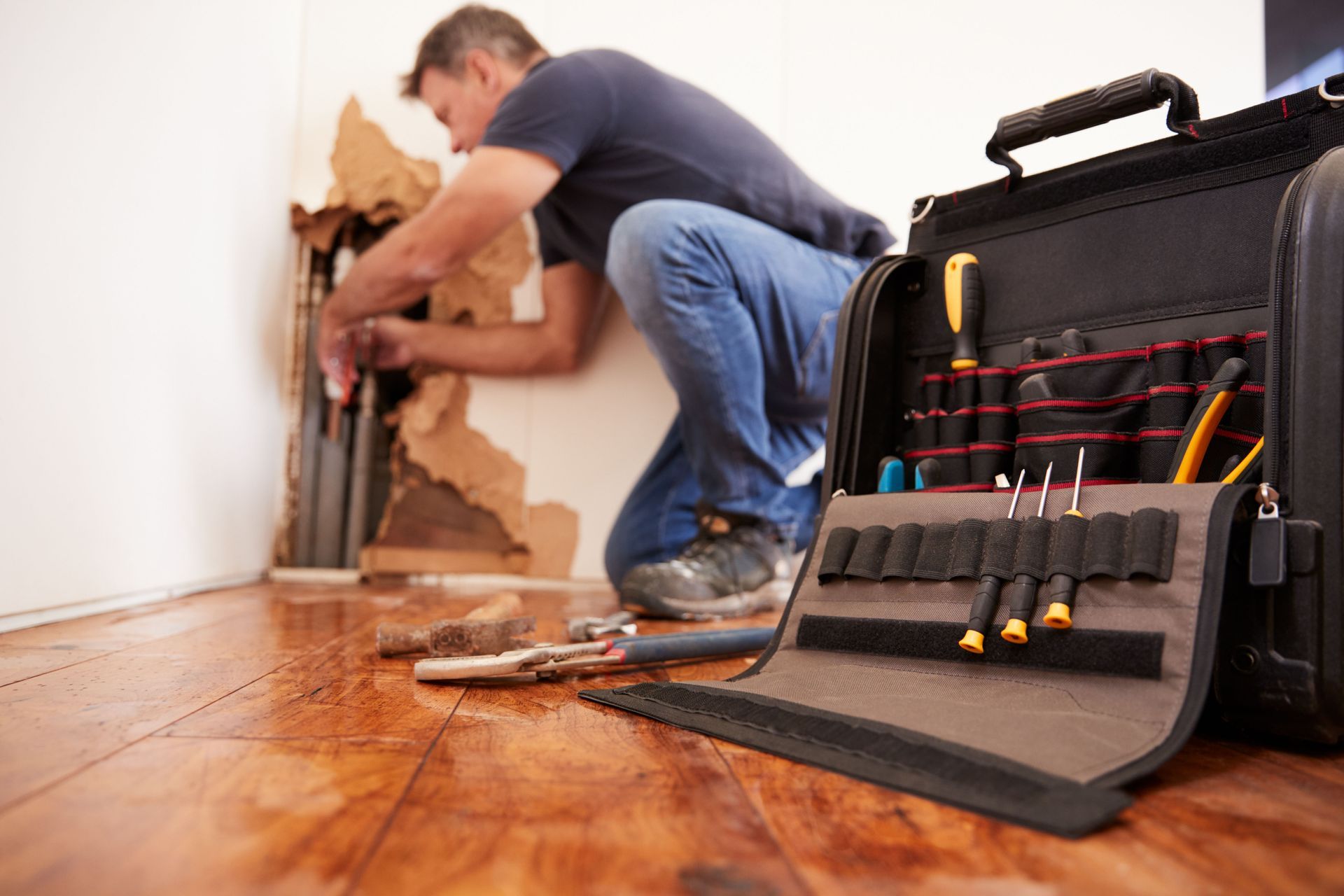
Structural damage is another severe consequence of delayed water remediation. Prolonged exposure to moisture can weaken building materials such as wood and drywall, threatening structural integrity. Over time, this could lead to sagging ceilings, warped floors, and weakened foundations. These problems often require extensive repairs, increasing the financial burden on property owners. Swift action by water damage services during the initial stages of water damage is vital in preventing such long-term structural issues.
When water penetrates core building elements, the absorption causes organic materials like timber framing and sheet rock to lose their natural rigidity. Left unchecked, this moisture migration weakens foundational supports and surface integrity, leading to severe architectural failures such as floor warping and ceiling collapses. Addressing moisture exposure in its earliest stages stops water from seeping deep into these structural components, avoiding the need for total structural reconstruction.
Electronics and Appliance Damage
Water can severely damage electronics and appliances, leading to malfunctions and permanent failures. Moisture exposure can corrode electronic circuits, rendering devices unusable and potentially hazardous. Household appliances, from refrigerators to washing machines, are susceptible to damage that may necessitate costly replacements. Fast remediation efforts by professional water damage services can mitigate electronic damage, ensuring the safety and functionality of essential devices. Protecting these investments is an essential part of comprehensive water damage management.
Beyond immediate short-circuiting, water intrusion triggers circuit board corrosion, which permanently destroys delicate wiring and electrical paths. Essential household units, including refrigerators and washing machines, face complete system breakdown when internal components remain in contact with high humidity or standing liquid. Rapid mitigation removes moisture before corrosion occurs, protecting major equipment investments and eliminating potential electrical hazards.
Increased Cost of Repairs
The longer water damage goes unaddressed, the more expensive repairs become. Initial water damage is generally manageable through timely intervention; however, delays exacerbate damage complexity, inflating repair costs. Issues like mold infestation and structural decay lead to additional interventions and labor. Swift remediation is cost-effective, reducing the need for extensive repairs and preserving property value. Thus, immediate action by professional water damage services is not only essential for damage control but also for cost management.
What starts as a simple cleanup job quickly turns into a complex restoration project as secondary damages compound. When problems like fungal growth, wood rot, and structural breakdown set in, property owners are forced to pay for specialized removal labor and extensive material replacements. By acting promptly, owners constrain the scope of work to basic water extraction and drying, preserving both their overall financial budget and property equity.
Insurance Challenges
Delays in remediation can complicate the insurance claim process, leading to coverage disputes. Insurance companies often require a comprehensive, prompt response to mitigate damage for full coverage. Failure to take immediate action might result in claims denial or partial payouts due to perceived negligence. Documenting initial damage and remediation efforts is crucial to navigating insurance claims successfully. Quick action ensures compliance with policy requirements and maximizes compensation opportunities.
Insurance policies frequently include clauses requiring policyholders to limit further loss as soon as an incident occurs. If an insurance carrier determines that secondary damage, such as widespread mold or decayed framing, resulted from inaction or delay, they may attribute the loss to owner negligence and refuse full payment. Immediate intervention combined with thorough records satisfies policy mandates, ensuring a smoother claim evaluation and maximizing eligible financial recovery.
Key Actions to Take in the First 24 Hours
Immediate Assessment and Safety Measures
Within the first 24 hours of water damage, immediate assessment and safety measures are imperative. This involves identifying the water source and type of damage to inform proper remedial actions. Ensuring safety, such as turning off electricity to affected areas, helps prevent additional hazards. Quick assessments guide efficient resource allocation and strategic planning. By acting within this critical period, property owners can effectively control damage spread and prioritize safety.
Extracting Standing Water
Rapid extraction of standing water is crucial to prevent further property damage. Efficient extraction, typically involving industrial-grade pumps and vacuums, reduces moisture levels quickly. Eliminating standing water minimizes the risk of structural weakening, mold development, and secondary damage. This step sets the foundation for subsequent drying and dehumidification, facilitating a comprehensive remediation process. Speed in water extraction is fundamental in curtailing the immediate and future impacts of water damage.
Drying and Dehumidifying Affected Areas
After water extraction, drying and dehumidifying play a crucial role in preventing moisture-related issues. Professional-grade air movers and dehumidifiers expedite this process, ensuring that water has no time to settle into building materials. Prompt drying reduces the potential for mold formation, safeguarding health and property value. This stage also prepares affected areas for sanitation and rehabilitation, ensuring complete removal of moisture. Swift drying efforts are essential for maintaining the integrity and safety of properties.
Sanitizing and Cleaning
Sanitation ensures that affected areas are safe and hygienic following water damage. Contamination can lead to bacterial growth and unwanted odors, making cleaning a vital part of remediation. Professional cleaning solutions neutralize harmful pathogens, restoring safe living and working environments. Thorough cleaning by professional water damage services also contributes to reducing allergens and improving indoor air quality. Addressing contamination promptly helps eliminate health risks and supports a healthier restoration process.
Documenting Damage for Insurance
Accurate documentation of water damage is vital for successful insurance claims. Thorough records, including photographs and written descriptions of the damage, substantiate claims and streamline the process. Timely documentation supports compliance with policy requirements, ensuring maximum potential coverage. Collaboration with remediation experts can enhance documentation accuracy, supporting fair insurance evaluation. This proactive approach simplifies the claims process, facilitating efficient resolution and compensation.
Acting promptly within the first 24 hours of water damage significantly determines the effectiveness of remediation efforts. Immediate action can prevent mold growth, minimize structural and electronic damage, and streamline insurance processes. To get started with reliable water damage services, reach out to Local Home Restoration today.
Share On: