
How Water Damage Restoration Companies Use Advanced Technology for Safer Homes
Water damage has become one of the most persistent and costly issues facing homeowners, especially as weather patterns grow more unpredictable and residential infrastructure continues to age. What once required extensive demolition and long recovery timelines can now often be managed with precision tools and advanced systems that reduce both disruption and cost.
In many cases, water damage restoration companies now rely on digital tools and smart equipment that transform how emergencies are handled from the very first inspection. These advancements not only improve response times but also reduce the likelihood of long-term complications such as mold growth or structural weakening. Water damage has become one of the most persistent and costly issues facing homeowners, especially as weather patterns grow more unpredictable and residential infrastructure continues to age. In fact, according to RubyHome, nearly 98% of basements are expected to suffer some form of water damage at least once over the course of their lifetime, highlighting just how common and unavoidable this issue can be.
Detecting Hidden Moisture Before It Spreads
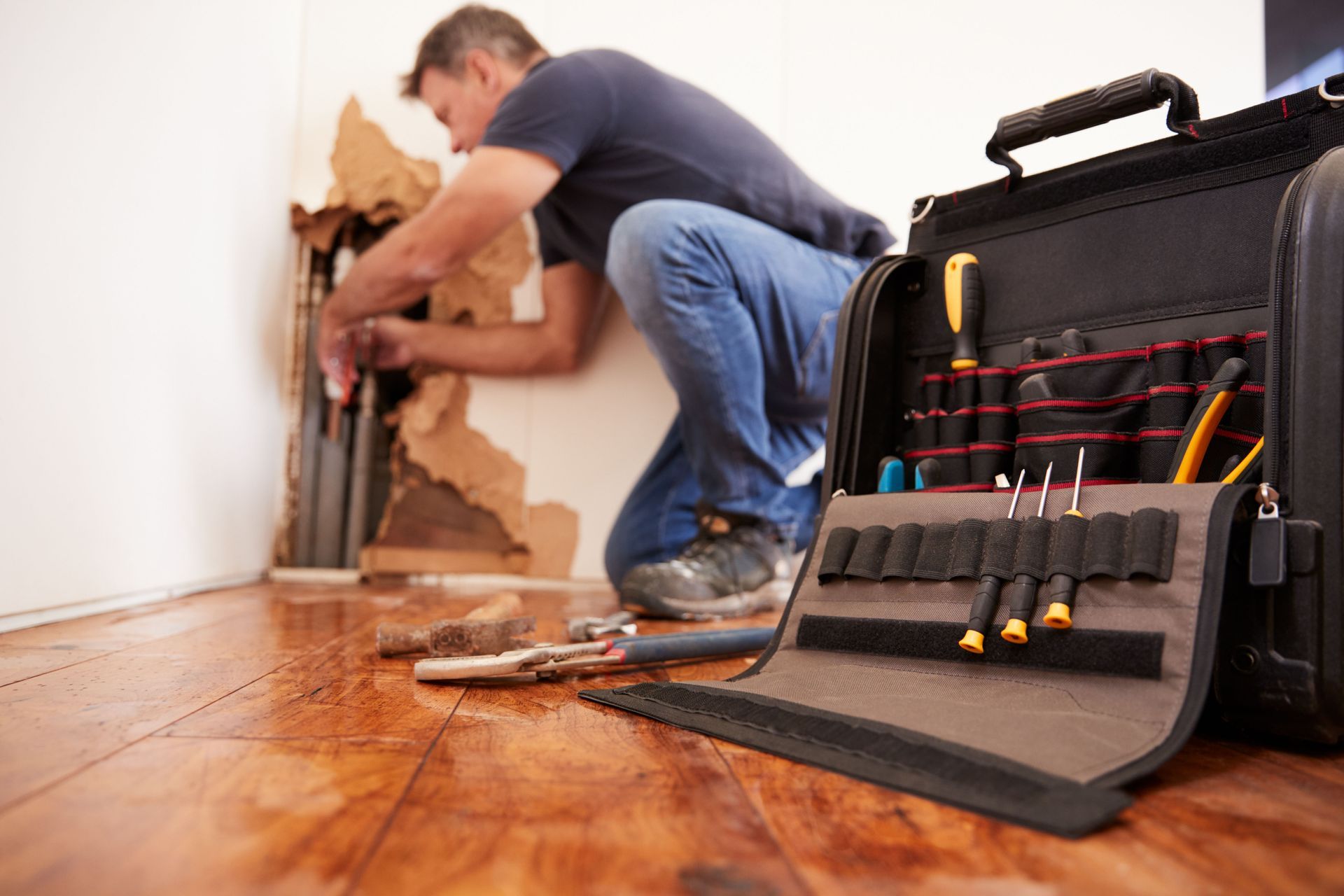
One of the most important advancements in modern restoration work is the ability to detect water intrusion before it becomes visible or causes widespread damage. Instead of relying solely on surface-level inspections, technicians now use infrared cameras, thermal imaging, and digital moisture meters to locate trapped water inside walls, ceilings, and flooring systems. These tools allow professionals to identify temperature variations that signal hidden leaks or damp areas without needing to remove drywall or flooring unnecessarily.
In addition to imaging tools, hygrometers and specialized sensors help measure humidity levels throughout the home, offering a clearer picture of how far moisture has spread. This data-driven approach allows restoration teams to prioritize the most affected areas and prevent further deterioration. Advanced acoustic devices can even detect leaks within plumbing systems by picking up sound frequencies that indicate escaping water. When used together, these technologies help water damage restoration companies develop highly targeted repair strategies that reduce both time and cost while limiting structural disruption. Early detection is essential, as it prevents small issues from escalating into major reconstruction projects.
Extracting Water Quickly and Efficiently
Once moisture has been identified, the next critical step is removing standing water as quickly as possible to minimize structural harm. High-powered extraction systems, including industrial vacuums and submersible pumps, are commonly used to remove large volumes of water from flooded areas. These machines are capable of handling everything from basement flooding to saturated flooring materials, significantly reducing drying time and preventing further absorption into building materials.
For smaller or more confined spaces, portable extractors and weighted suction tools allow technicians to target specific areas with precision. This flexibility ensures that both large-scale and localized water intrusion can be addressed effectively. Truck-mounted extraction units are often deployed for severe cases, providing continuous suction power for rapid water removal. By combining multiple extraction methods, water damage restoration companies are able to adapt to a wide range of emergency scenarios, ensuring that homes are stabilized quickly and efficiently. Fast water removal is essential because the longer moisture remains, the higher the risk of mold development and structural weakening.
Accelerating Drying with Precision Equipment
After standing water has been removed, the drying phase begins, which is crucial for preventing lingering moisture from causing secondary damage. Modern drying systems rely on a combination of air movers, dehumidifiers, and controlled airflow technology to accelerate evaporation. Desiccant dehumidifiers are especially effective in low-temperature environments, as they extract moisture from the air using absorbent materials rather than relying solely on condensation.
Low-grain refrigerant dehumidifiers are also widely used because they operate efficiently even in high-humidity conditions while consuming less energy. These systems help restore normal humidity levels inside the home, which is essential for protecting wood, drywall, and insulation. Air movers and industrial fans are strategically placed to circulate air and eliminate damp pockets that might otherwise go unnoticed. In more complex situations, drying chambers may be created to isolate and treat specific areas or belongings. Through the use of these technologies, water damage restoration companies ensure that moisture is fully removed, reducing the risk of future complications and structural instability.
Preventing Mold Growth and Improving Air Quality
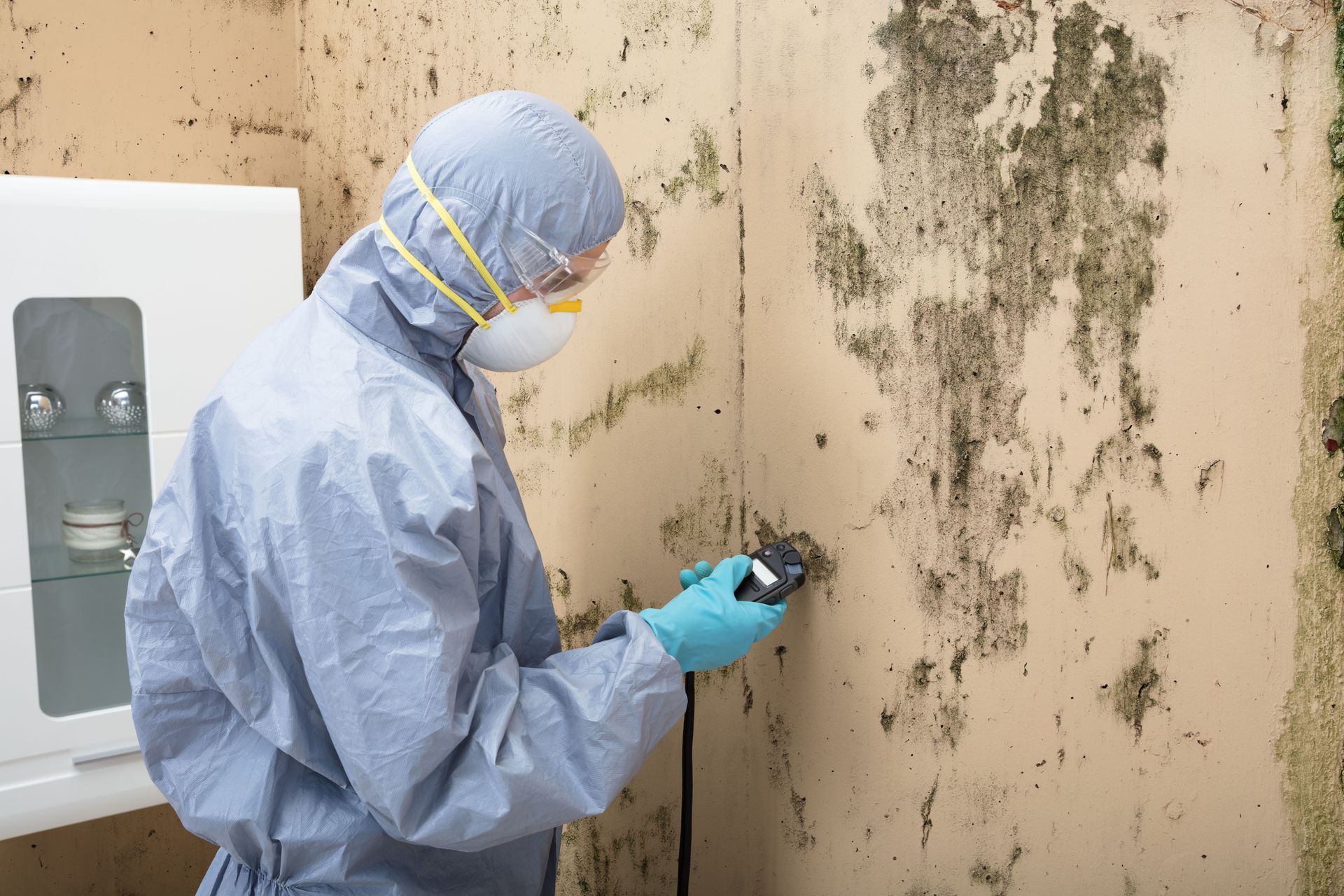
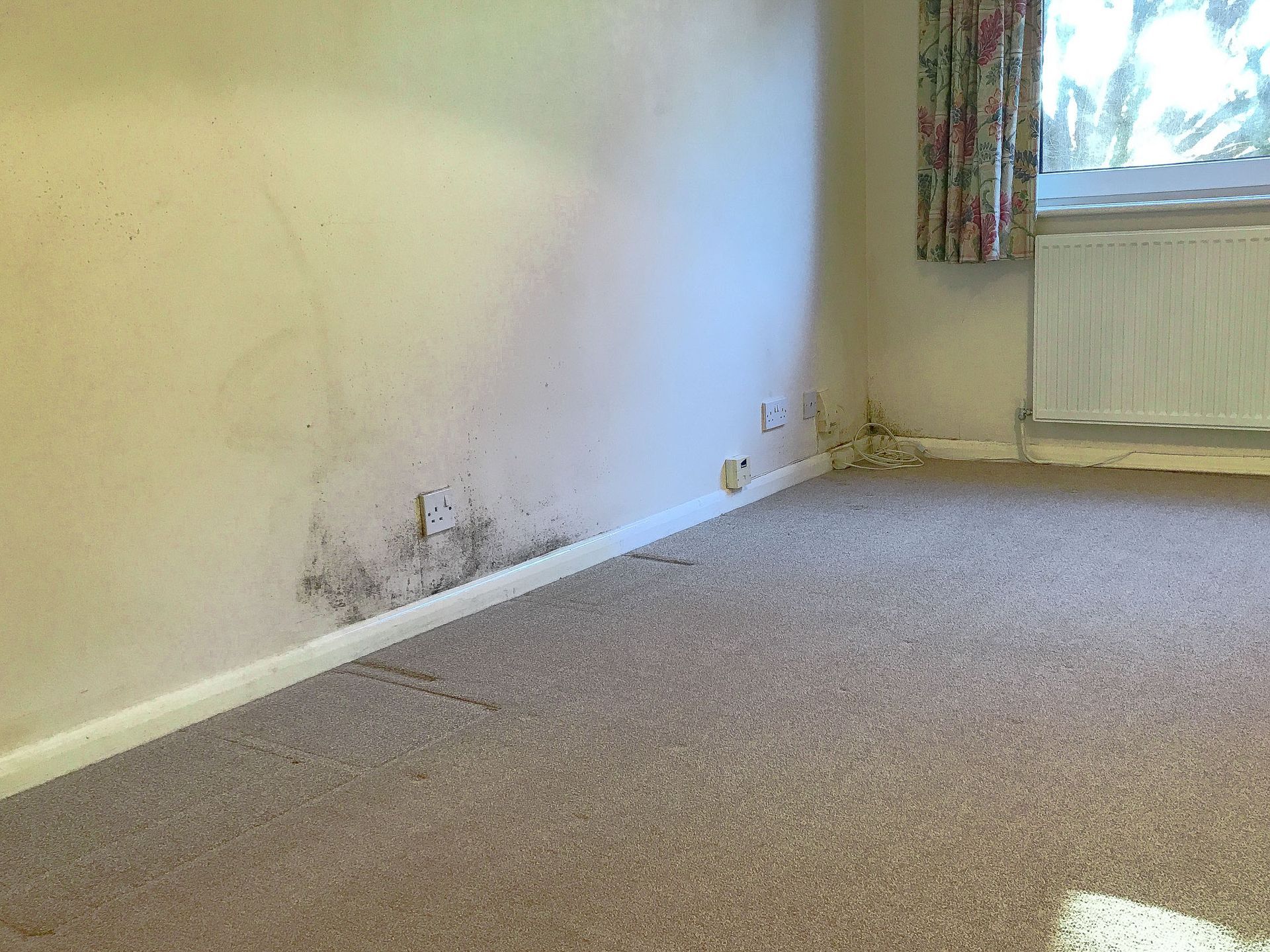
One of the most serious risks following water exposure is mold growth, which can begin forming within just 24 to 48 hours in damp environments. To prevent this, restoration professionals rely on HEPA filtration systems that capture airborne spores and prevent them from spreading throughout the property. These filters are essential during cleanup and drying because they help maintain safe indoor air quality while work is being completed.
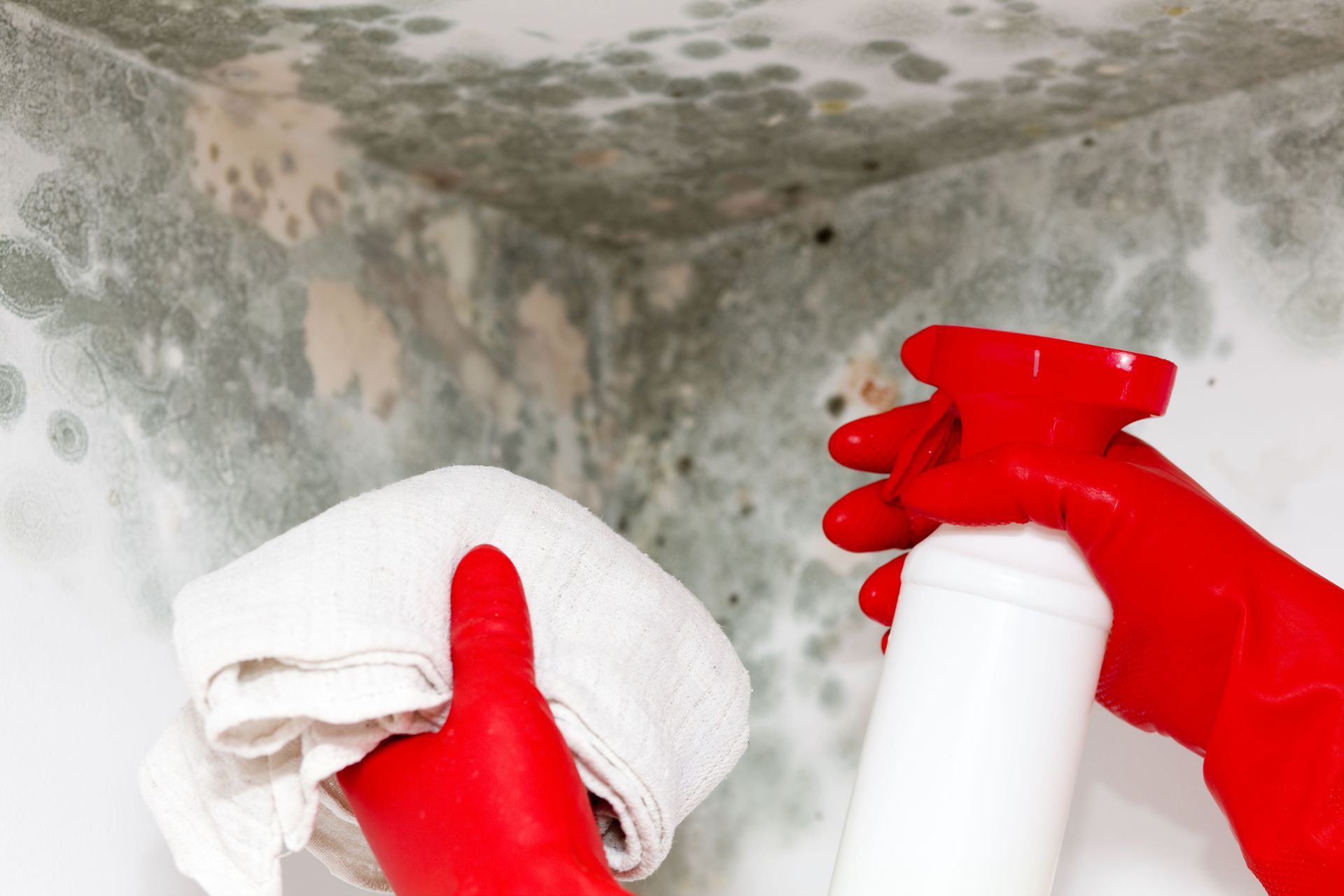
Antimicrobial treatments are also applied to affected surfaces to eliminate existing mold colonies and prevent future growth. In more advanced cases, techniques such as dry ice blasting or soda blasting are used to remove mold from structural surfaces without causing damage. Ultraviolet light systems and vaporized treatments further enhance the remediation process by targeting microorganisms at a molecular level. Because of these innovations, water damage restoration companies can address both visible and hidden mold threats more effectively than ever before, helping homeowners maintain healthier living environments after a water-related incident.
Rebuilding Structures with Modern Materials and Tools
Once moisture and contamination have been fully addressed, the focus shifts to repairing and rebuilding damaged areas of the home. Modern reconstruction techniques now incorporate water-resistant materials, improved sealants, and advanced construction methods designed to reduce the likelihood of future damage. These materials provide stronger resistance to moisture infiltration and help reinforce vulnerable areas of the home.
Technologies such as 3D printing are also beginning to play a role in custom repairs, allowing for faster replacement of structural components and fixtures. Smart home systems can be integrated during reconstruction to monitor humidity and detect leaks in real time, offering an added layer of protection. In some cases, drones are used to assess hard-to-reach areas and ensure repairs are completed thoroughly. Robotics is also emerging as a tool for precision-based reconstruction tasks. With these innovations, water damage restoration companies are not only repairing homes but also improving their long-term resilience against future water-related issues.
Advancing Toward Smarter and Safer Restoration Solutions
The future of water damage recovery is increasingly shaped by artificial intelligence, predictive analytics, and connected home technology. AI systems are being developed to analyze weather patterns, building conditions, and historical data to predict where water damage is most likely to occur. This allows for faster preventative action and more strategic resource deployment during emergencies. Cloud-based platforms also enable restoration teams to manage data in real time, improving coordination and decision-making during complex restoration projects.
The Internet of Things is another growing influence, allowing sensors throughout a home to detect leaks instantly and alert homeowners or technicians immediately. This proactive approach significantly reduces response times and limits overall damage. Sustainable materials and eco-friendly drying systems are also becoming more common as the industry moves toward greener practices. As these technologies continue to evolve, water damage restoration companies are expected to become even more efficient, reducing both environmental impact and repair costs while improving overall safety.
Today, water damage restoration companies play a vital role in safeguarding homes through science-driven methods and advanced equipment that ensure thorough recovery from even the most severe water incidents. Local Home Restoration is committed to bringing these modern solutions directly to homeowners, combining advanced restoration technology with hands-on expertise to deliver fast, reliable, and lasting results. If your home has experienced water damage or you want to prepare for future risks, contact us today for professional support and dependable service that helps restore comfort, safety, and peace of mind.
Share On: