
Why Fast Water Damage Restoration Protects Your Home’s Structure
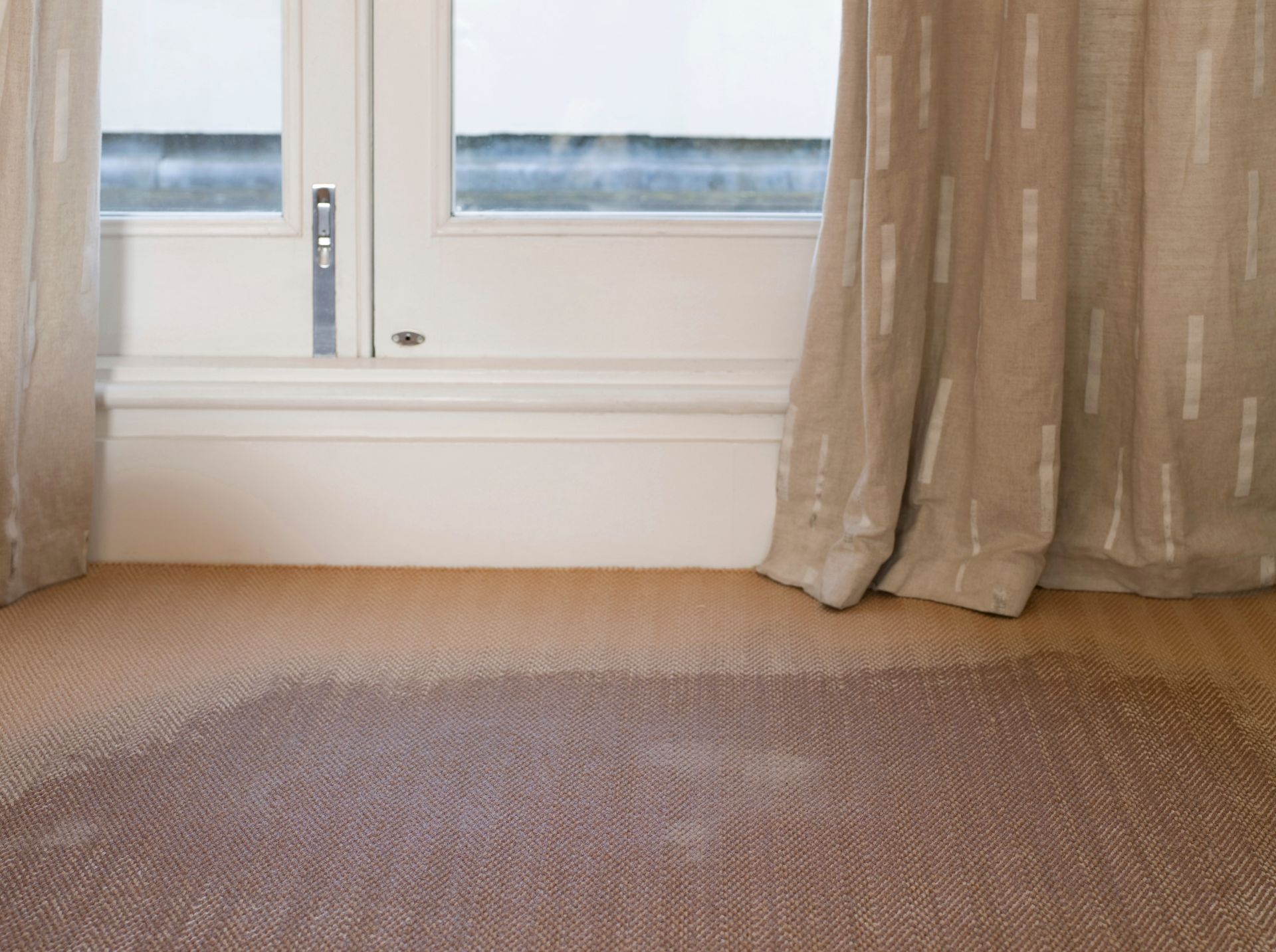
Water damage can occur suddenly and pose significant threats to a home’s structural integrity, making quick action essential to reducing long-term damage. Water intrusion from storms, plumbing failures, or roof leaks can infiltrate walls, floors, and foundations, weakening materials and accelerating deterioration. Drywall absorbs moisture rapidly, wooden supports swell and weaken, and flooring can warp within hours of exposure. These immediate effects often trigger additional issues if not addressed quickly, including mold growth and ongoing degradation. Because even minor leaks can penetrate hidden areas, many homeowners underestimate the severity of the issue until visible damage appears. This makes it vital to treat any water intrusion seriously and respond promptly. Fast, strategic water damage restoration helps prevent structural decline and reduces the likelihood of expensive repairs, preserving the home’s long-term stability.
Causes of Water Damage and the Need for Rapid Response
Water damage arises from a wide range of sources, from floods and heavy rainfall to subtle plumbing leaks that go unnoticed for extended periods. Natural disasters saturate building materials rapidly, while interior leaks slowly undermine floors, joists, and ceilings. Homes in regions with frequent storms or aging infrastructure face heightened risk due to consistent exposure to moisture. Once water infiltrates structural components, damage escalates quickly. Small plumbing leaks can create moisture pockets that lead to material decay, mold formation, and ultimately structural weakening. These problems often spread silently behind walls or under flooring, making them difficult to detect without professional assessment. Addressing water issues quickly prevents a cycle of deterioration that becomes increasingly expensive to reverse. Fast and well-executed water damage restoration limits infiltration, prevents moisture entrapment, and helps homeowners protect their property against escalating structural risks.
Immediate and Long-Term Structural Consequences of Water Exposure
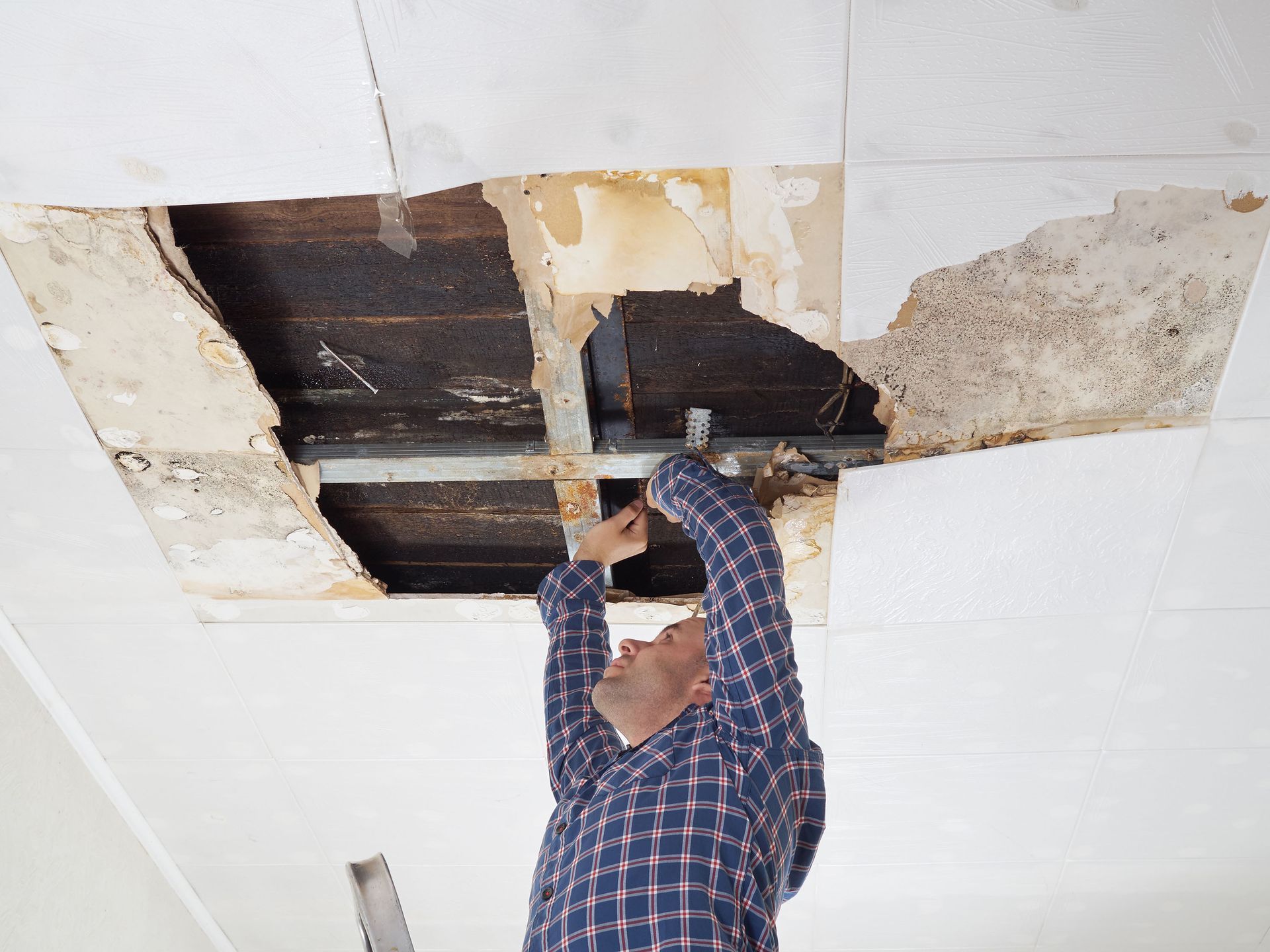
When water infiltrates a home, the immediate effects can compromise structural materials rapidly. Drywall becomes saturated and begins to sag or crumble, while wooden beams absorb moisture that causes expansion, warping, and eventual decay. Persistent exposure turns short-term problems into serious structural hazards. If water damage is not treated swiftly, rot can develop in essential components such as joists, studs, and subfloors. Mold growth compounds these risks by weakening materials and affecting indoor air quality. According to research findings, mold begins forming when indoor humidity rises above 45%, making prompt moisture control essential. Long-term structural issues not only threaten safety but also reduce a home’s marketability and value. Addressing water intrusion early prevents cumulative damage that may require reconstruction rather than simple repairs. Fast response limits deterioration and helps preserve the structural backbone of the property.
The Importance of Professional Assessment and Restoration Expertise
Professional assessment plays a crucial role in accurately diagnosing the extent of water intrusion. Experts use tools such as moisture meters, hygrometers, and infrared cameras to detect hidden moisture that homeowners cannot easily identify. These evaluations create a complete picture of affected areas, ensuring no lingering issues are missed. Without this level of expertise, homeowners may unknowingly leave moisture trapped behind walls or under flooring, allowing mold growth and structural decline to continue unnoticed. Restoration professionals also understand how various building materials react to moisture and which remediation strategies work best in each scenario. This ensures the restoration process is thorough, efficient, and tailored to the specific type of damage. Skilled technicians implement targeted drying, dehumidification, and sanitization processes that eliminate immediate threats while preventing long-term complications. Effective, professional water damage restoration provides long-lasting protection for the home’s structure.
Tools, Techniques, and Science Behind Effective Restoration
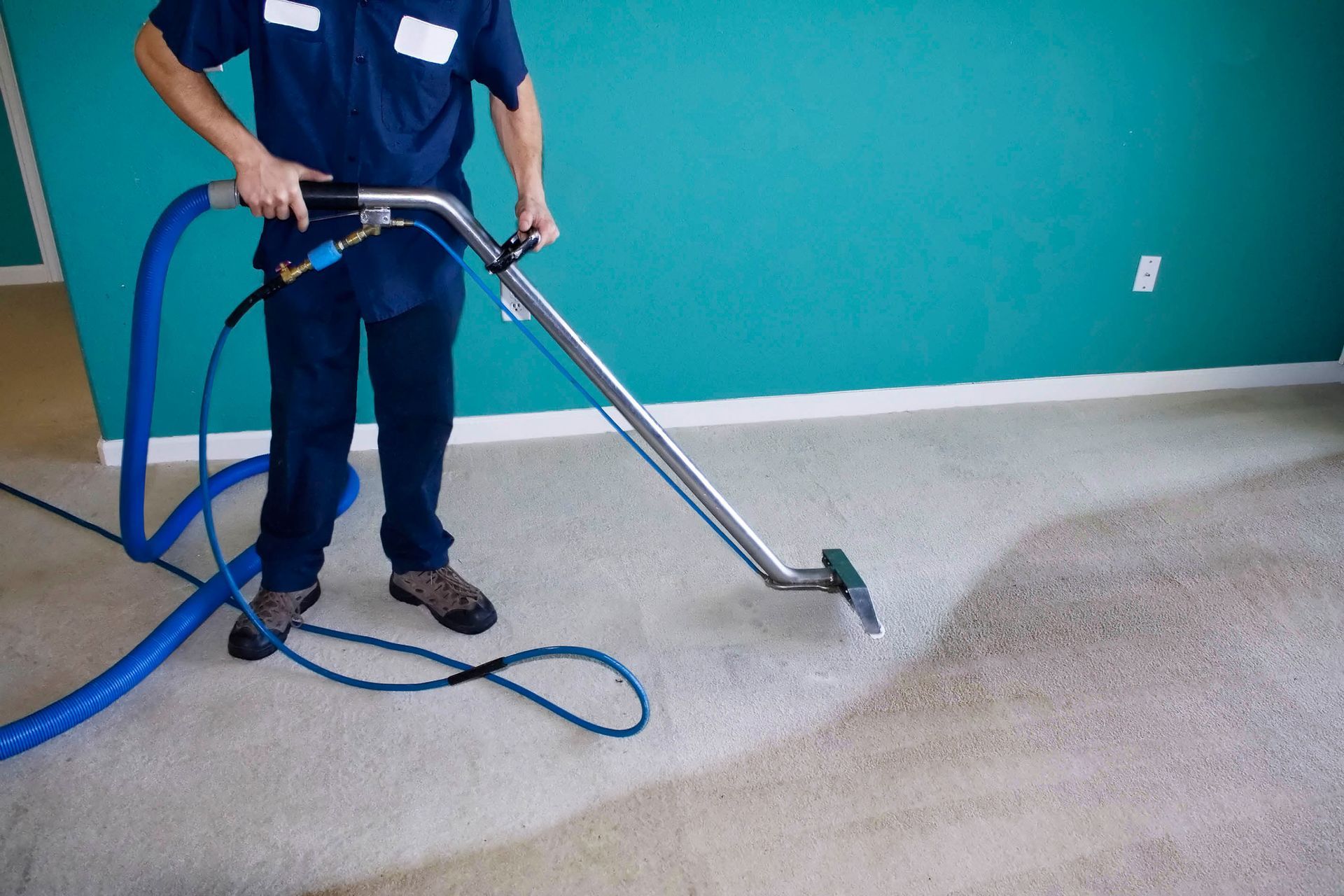
Water damage restoration relies on advanced tools and scientific processes that remove moisture efficiently and protect materials from prolonged exposure. Extraction removes standing water quickly, while industrial air movers and dehumidifiers accelerate drying by controlling airflow and humidity. Moisture detection serves as the foundation of any restoration project, allowing technicians to identify damp areas that could otherwise remain hidden and cause future problems. Dehumidification is essential for returning indoor humidity levels to a safe range, preventing mold growth and stopping moisture from migrating into structural cavities. Infrared cameras help locate moisture behind walls or beneath flooring, ensuring that drying efforts are fully comprehensive. After drying, sanitization removes contaminants such as bacteria and fungi that often accompany water intrusion, especially in cases involving floodwater or sewage. These combined processes form a science-based approach to restoring a home safely and completely.
Preventing Mold Growth and Reducing Health Risks
Moisture from water damage creates an ideal environment for mold to flourish, often within just 24 to 48 hours. Mold consumes building materials such as drywall, insulation, and wood, undermining structural integrity while posing significant health risks. Exposure to mold can worsen allergies, trigger respiratory issues, and introduce harmful mycotoxins into the indoor environment. Fast restoration reduces these risks by eliminating moisture quickly and preventing mold colonies from taking hold. Strategies such as moisture control, removal of contaminated materials, and the use of specialized cleaning agents are essential for eradicating mold. Air scrubbers and HEPA filtration systems help remove airborne spores, improving indoor air quality. Continuous monitoring after restoration ensures that humidity levels remain below mold-forming thresholds, helping homeowners maintain a safe and stable living environment. Swift intervention not only protects the home’s structure but also ensures a healthier indoor space.
Financial Consequences of Delayed Restoration Efforts
Delaying water damage repairs significantly increases long-term costs. The longer moisture remains in contact with structural elements, the greater the extent of damage and necessary reconstruction. What may begin as a small leak can escalate into the need for full wall replacement, floor removal, or structural reinforcement. Rotting beams, compromised foundations, and mold-infested materials often require extensive, costly remediation. Insurance implications also play a major role. Many policies require homeowners to act quickly to prevent further damage, and delays can lead to denied claims or reduced coverage. Meticulous documentation, including photographs and itemized lists, helps support insurance claims and demonstrates proactive action. Additionally, unresolved water damage can severely reduce the home’s market value, making it less attractive to buyers. Balancing immediate restoration costs with potential long-term expenses highlights the financial importance of swift professional action.
Steps Homeowners Can Take Before Professionals Arrive
While professional help is essential, homeowners can take several immediate steps to reduce damage before experts reach the site. Safety should always come first, especially around electrical hazards. Evacuating flooded areas prevents injury and provides restoration teams with clear access when they arrive. Turning off the home’s water supply can prevent further leakage, while moving undamaged belongings to dry areas helps preserve valuables. Placing towels or buckets to capture active drips and minimizing foot traffic in affected areas reduces structural strain. Documenting all visible damage through photos and videos is crucial for insurance purposes. Homeowners should also contact restoration professionals as quickly as possible, since fast intervention limits long-term complications. Developing an emergency preparedness plan, complete with essential contacts and response procedures, helps ensure readiness for future incidents and minimizes chaos during water-related emergencies.
Fast water damage restoration is essential for protecting your home’s safety, value, and structural stability. Acting quickly reduces immediate deterioration, prevents mold formation, limits long-term damage, and saves homeowners from major repair expenses. Understanding the serious risks associated with water intrusion allows you to take proactive steps that protect both your home and your health. For expert support and reliable service when you need it most, contact Local Home Restoration today for fast, dependable water damage recovery.
Share On: