
The Role of Moisture Control in Effective Water Damage Restoration
Water damage is rarely limited to what’s visible. Moisture travels quickly through porous materials, spreads behind walls, and lingers in structural components long after standing water is removed. That’s why moisture control sits at the core of any successful water restoration process. Without it, even minor water intrusions can escalate into long-term structural and environmental issues. Early intervention and comprehensive moisture management are critical to prevent these problems from compounding.
According to the Environmental Protection Agency, residential water leaks waste almost 1 trillion gallons of water across the US each year. This staggering figure highlights how even small leaks can contribute to large-scale water issues, emphasizing the importance of timely and professional water restoration. Understanding how moisture behaves provides clarity on why professional intervention is critical. Effective water restoration is not just about removing water; it’s about stabilizing the entire indoor environment and reducing the risk of secondary issues that can emerge over time.
Understanding Moisture Behavior
Moisture does not remain confined to one area. Once water enters a structure, it begins to migrate through materials such as drywall, wood, insulation, and flooring. These materials absorb and retain water beneath the surface, often creating hidden pockets of saturation that are not immediately visible. Over time, this can compromise structural integrity and accelerate the deterioration of building materials.
This hidden moisture creates challenges for water restoration. Surfaces may appear dry while internal moisture levels remain elevated. Over time, moisture redistributes, increasing humidity and expanding the affected area. Professional water restoration begins with identifying how moisture moves, allowing for a more accurate and controlled response. Understanding moisture behavior ensures the restoration process addresses both the symptoms and the underlying causes of water damage.
Recognizing Hidden Risks
Hidden moisture remains one of the most persistent challenges in water damage scenarios. Water can infiltrate wall cavities, subfloors, and insulation layers, remaining undetected without proper assessment techniques. These hidden pockets of moisture often go unnoticed until they contribute to significant problems.
As moisture lingers within these areas, it contributes to gradual material deterioration, persistent odors, and declining indoor air quality. Structural damage may also develop over time without clear early warning signs. Even after visible water has been removed, embedded moisture can continue to impact the property. Early detection and professional moisture monitoring are essential in reducing long-term damage and ensuring that the restoration process fully addresses the water intrusion.
Preventing Mold Growth
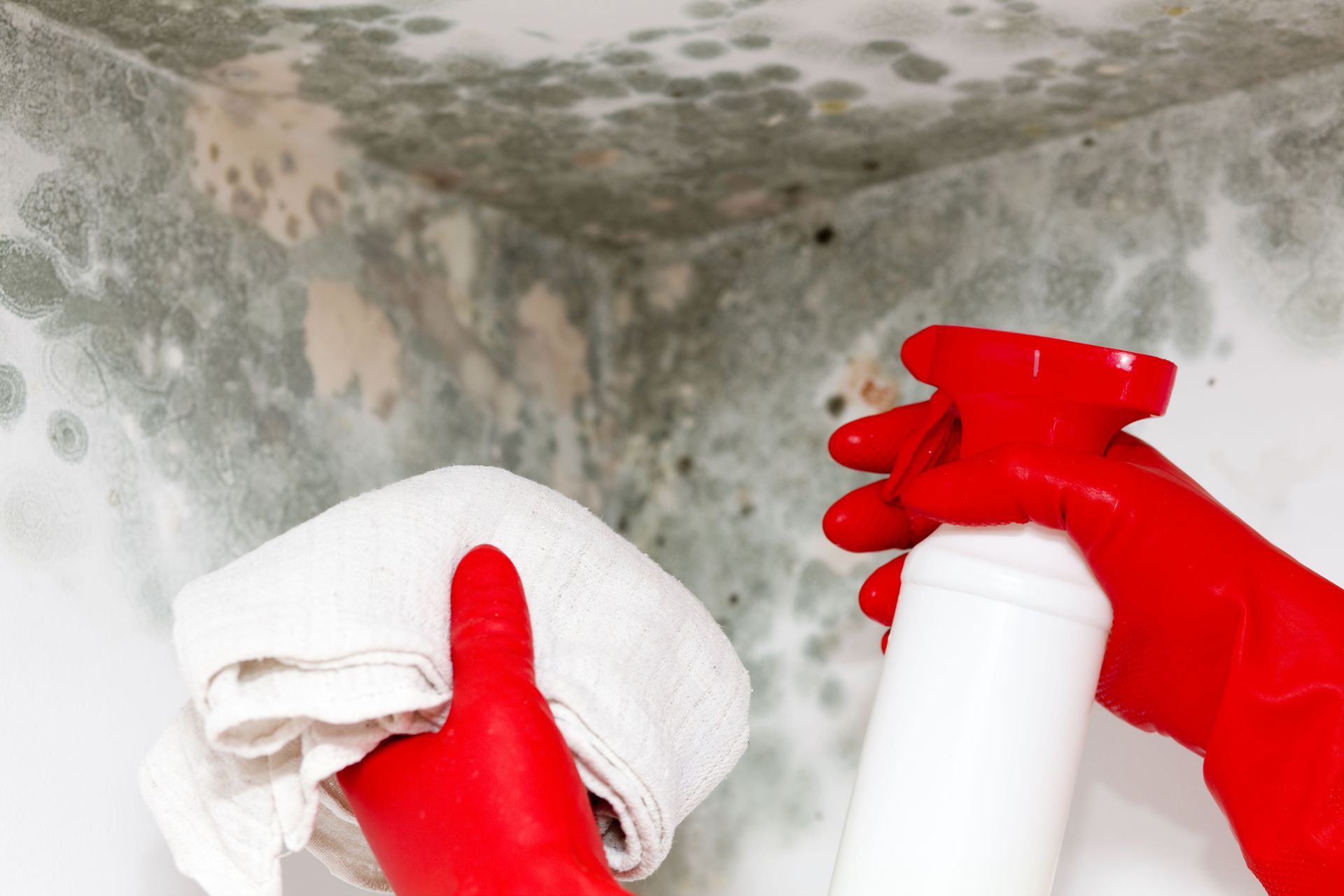
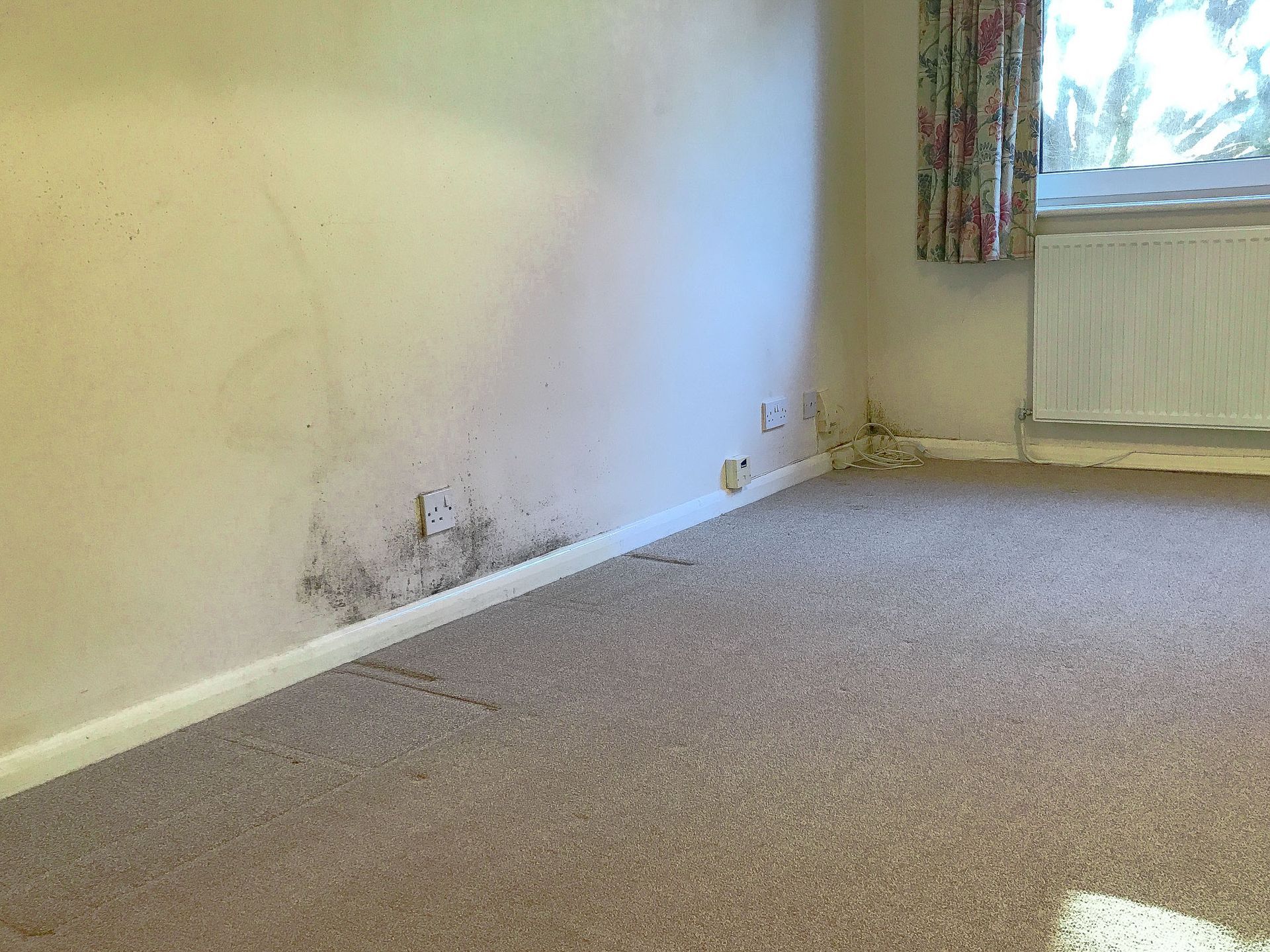
Moisture control plays a direct role in limiting the conditions that allow mold to develop. Mold spores are commonly present in indoor environments, but they require sustained moisture to grow and spread. Even minor moisture retention can create ideal conditions for mold to thrive, which can lead to health concerns if left untreated.
When moisture levels remain elevated, mold can begin forming within a short period. This makes timely water restoration essential. By removing excess moisture and stabilizing humidity, the environment becomes less favorable for mold growth. Uncontrolled moisture can lead to air contamination, respiratory concerns, and widespread surface damage. Effective water restoration addresses these issues by managing moisture consistently and comprehensively.
Preserving Structural Integrity
Excess moisture has a measurable impact on structural components. Materials such as wood, drywall, and metal respond differently to prolonged exposure, but all are vulnerable to degradation when moisture is not controlled. Even brief exposure can accelerate weakening, especially in materials like hardwood or layered composites.
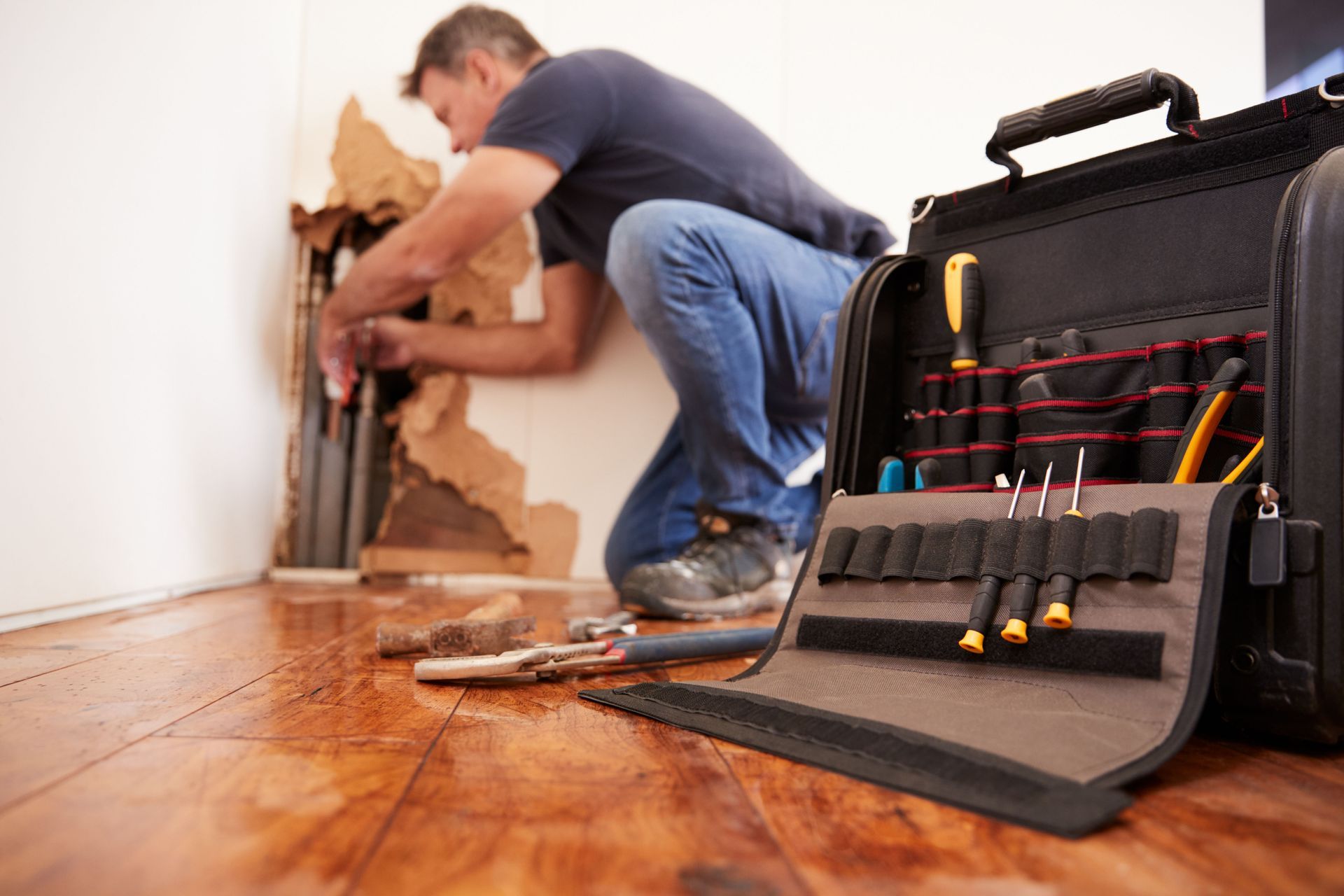
Wood can warp or swell, drywall can weaken and lose integrity, and metal components may begin to corrode. In more severe cases, load-bearing elements can become compromised, affecting overall structural stability. Water restoration includes structural drying to reduce moisture levels within these materials before permanent damage occurs. This process helps maintain the integrity of the building and reduces the likelihood of costly repairs in the future. Proper moisture control is therefore essential not only for immediate restoration but for the long-term durability of a property.
Supporting Effective Drying Processes
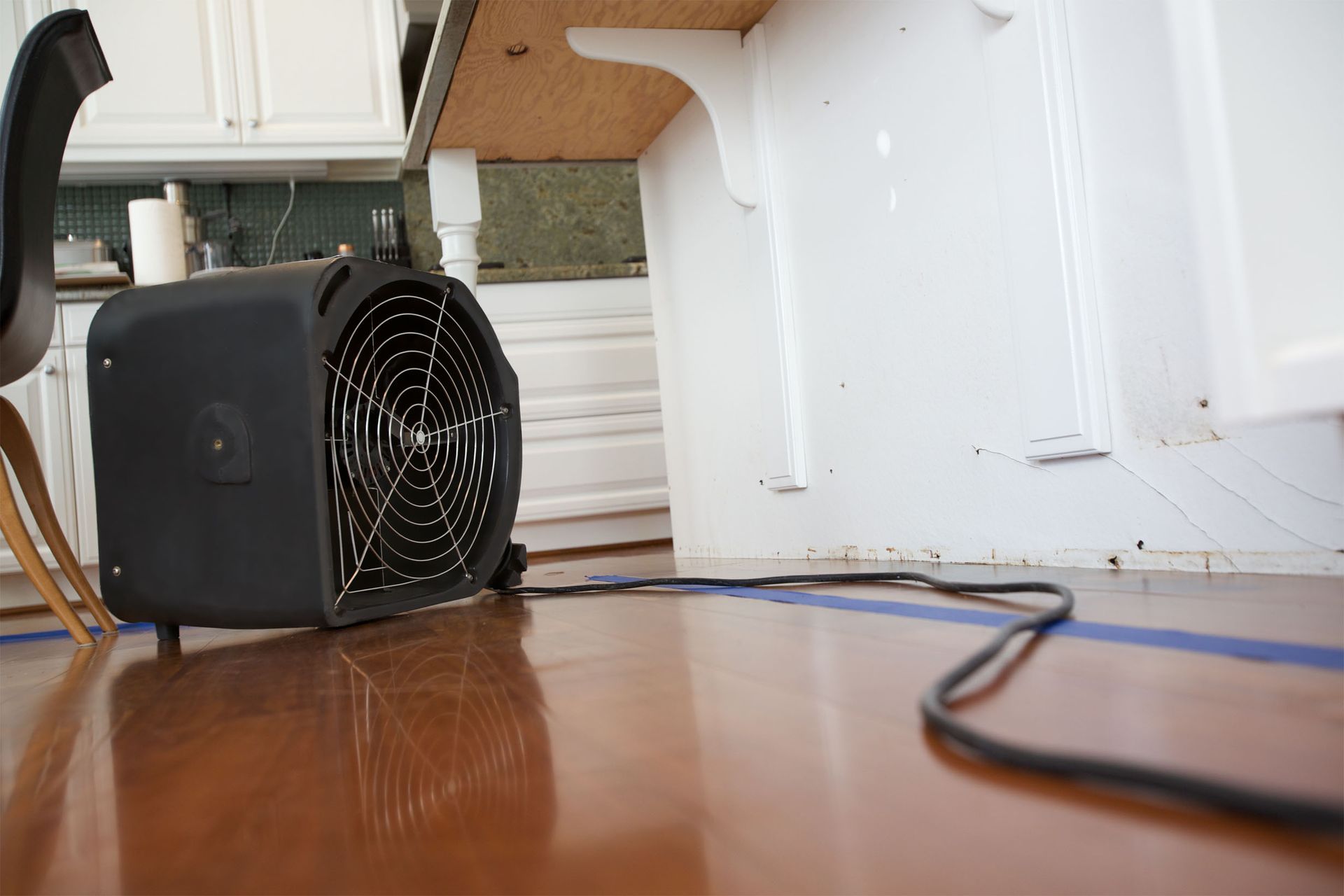
Drying is one of the most critical phases of water restoration, but it involves more than removing surface moisture. Effective drying depends on maintaining balanced environmental conditions that allow moisture to evaporate and be removed from both materials and the surrounding air. Controlling these conditions requires ongoing monitoring and adjustment by trained professionals.
Air movement, temperature, humidity, and material composition all influence how quickly and thoroughly drying occurs. If humidity remains too high, moisture can become trapped within materials, slowing progress and increasing the risk of further damage. Moisture control keeps these variables within appropriate ranges throughout the drying process. Professional water restoration relies on ongoing monitoring to confirm that materials have reached acceptable moisture levels, not just surface dryness, providing long-term protection against recurring water damage.
Reducing Secondary Damage Risks
Secondary damage develops when moisture is left unmanaged after the initial water intrusion. This type of damage often progresses gradually, making it more difficult to detect until it becomes significant. It can affect areas far beyond the original source of water, increasing both restoration time and cost.
Lingering moisture can lead to mold growth, material breakdown, and persistent odors that affect the indoor environment. It can also spread beyond the original affected area, impacting adjacent rooms and structural layers. Water restoration addresses these risks by controlling moisture early in the process. By limiting the spread of moisture and removing it effectively, the overall scope of damage is reduced, minimizing the likelihood of further complications.
Improving Indoor Environmental Conditions
Moisture levels have a direct impact on indoor environmental quality. Elevated humidity can create damp conditions that affect comfort and allow contaminants to develop more easily. Homes and buildings with poorly controlled moisture often experience lingering odors, increased particulate matter, and uneven air circulation.
When moisture is not properly controlled, indoor spaces may experience musty odors, increased airborne particles, and reduced air quality. These conditions can persist even after visible water damage appears to be resolved. Water restoration includes stabilizing humidity levels and removing excess moisture from the air. This contributes to a more balanced indoor environment and helps prevent long-term environmental issues, supporting both safety and comfort.
Reinforcing the Need for Professional Intervention
Moisture control requires careful measurement and consistent monitoring throughout the restoration process. Without accurate data, it becomes difficult to determine whether moisture has been fully removed. Professional water restoration involves precise strategies and technology to assess conditions beyond what is visible.
Professional water restoration follows a structured approach that includes assessing moisture levels across the property, applying controlled drying methods, and tracking progress over time. This process continues until materials reach appropriate moisture thresholds. Relying on professional water restoration services provides the level of precision needed to address both visible and hidden moisture. This reduces the likelihood of incomplete drying and future complications, giving property owners long-term peace of mind.
Addressing Moisture as a Long-Term Risk Factor
Moisture issues are not always caused by a single event. Ongoing exposure to elevated humidity or small leaks can gradually lead to significant damage if not addressed. Long-term moisture management is necessary to protect structural integrity and indoor air quality over time.
Over time, these conditions contribute to material deterioration, recurring mold problems, and structural instability. The longer moisture remains present, the more complex and costly the damage becomes. Water restoration focuses on identifying both immediate concerns and underlying moisture sources. By addressing the root causes and controlling moisture at every stage, long-term risks can be reduced and property conditions stabilized.
Moisture control is the foundation of effective water restoration. It influences every stage of the process, from initial assessment to final drying and long-term prevention. Without proper moisture management, water damage can persist, spread, and lead to more complex issues over time.
By addressing both visible and hidden moisture, professional water restoration supports structural stability, improves indoor conditions, and reduces the likelihood of recurring damage. For properties impacted by water damage, working with Local Home Restoration for water damage restoration provides a comprehensive approach to managing moisture and restoring the environment completely.
Share On: